Over the last few years, we have witnessed India’s Tier 2 and Tier 3 towns become the real heartbeat of India’s growth story. With rapid mobile connectivity, modern infrastructure, better incomes, and changing lifestyles, they are evolving real-fast and demand a new-age outlook. However, there has been no comprehensive, credible resource that brings together consumer insights across categories for these markets. A plethora of brands still struggle to navigate this transformation and often end up relying on fragmented data and incomplete information to understand and engage with these consumers.
To address this gap, Dainik Bhaskar, the India’s largest and world’s 3rd largest circulated newspaper, joined hands with world’s leading marketing data and analytics company – Kantar, and has created the Urban Bharat Report, which aims to understand how evolving lifestyles, changing consumer behaviour and rising aspirations are reshaping consumption across emerging India.
The report that covers insights across 11 key sectors: Automobile, Real Estate, Education, Healthcare, Travel & Tourism, FMCG, Personal Finance, E-commerce, Jewellery, Retail and Telecom will be launched on 21st July 2026 by Harsh Goenka, Chairman at RPG Enterprises. A key highlight of the report is the Urban Bharat City Opportunity Index, an exclusive framework that identifies and ranks urban markets by growth potential, helping businesses and marketers, make sharper investment and expansion decisions.
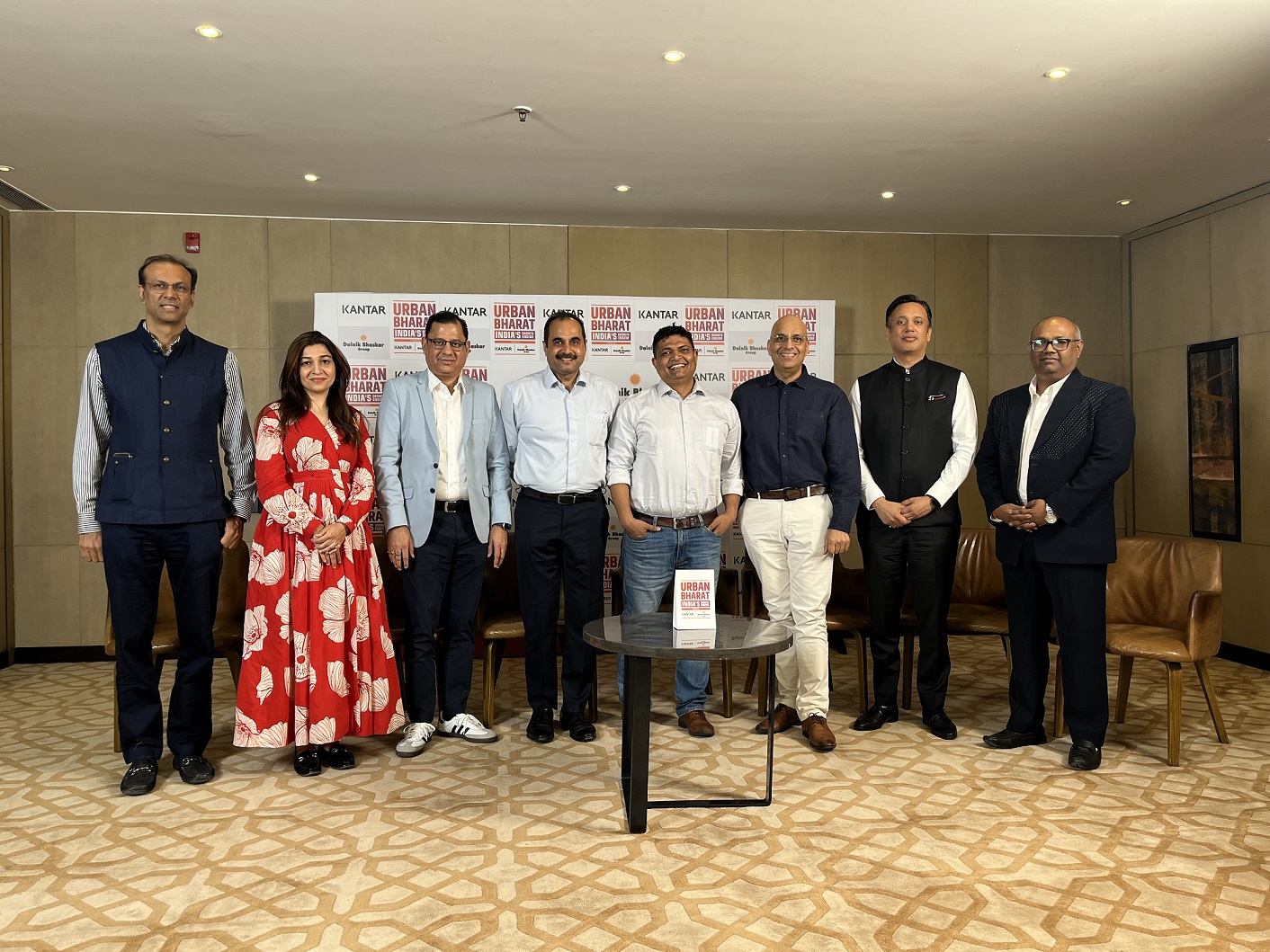
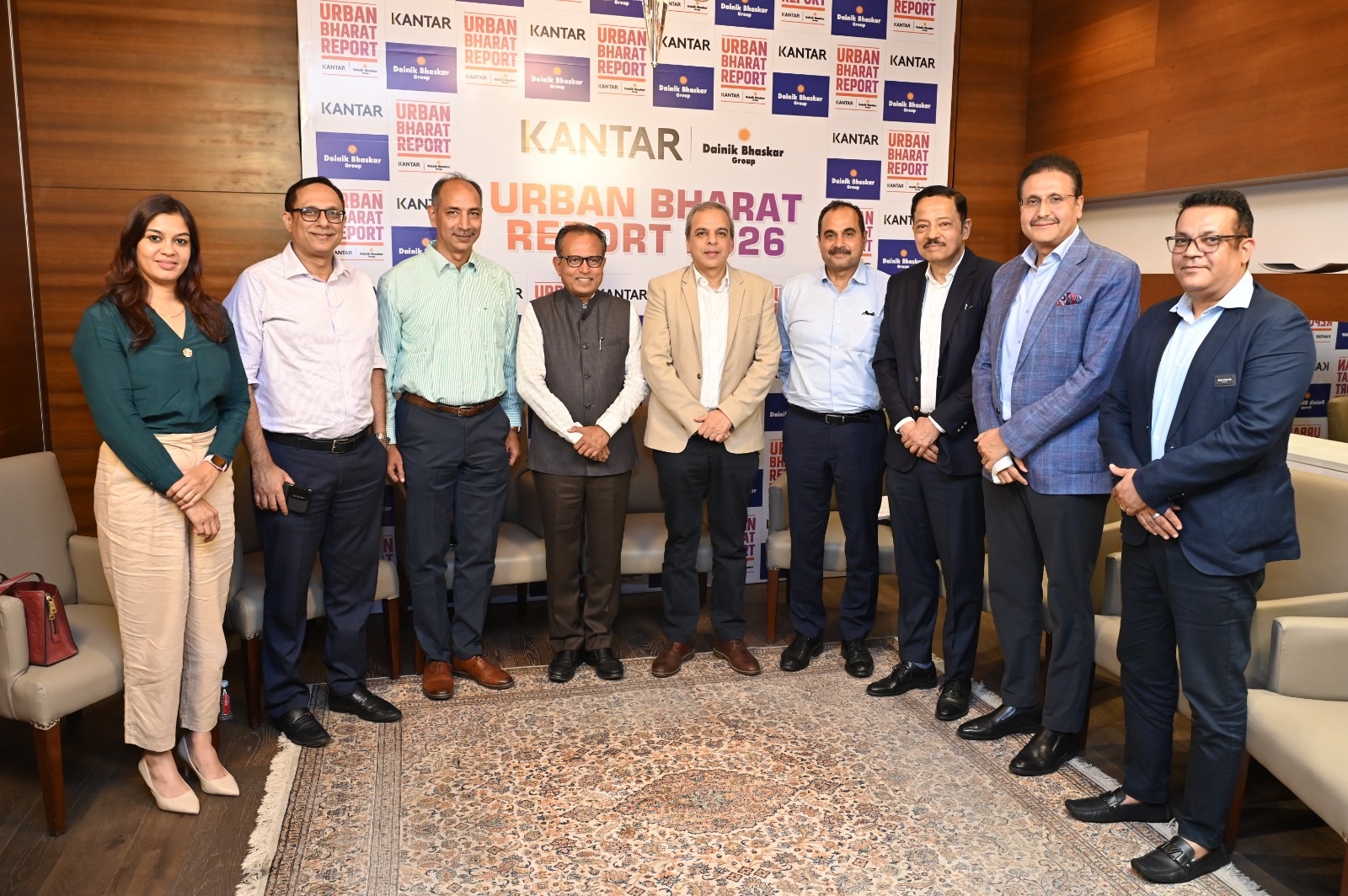
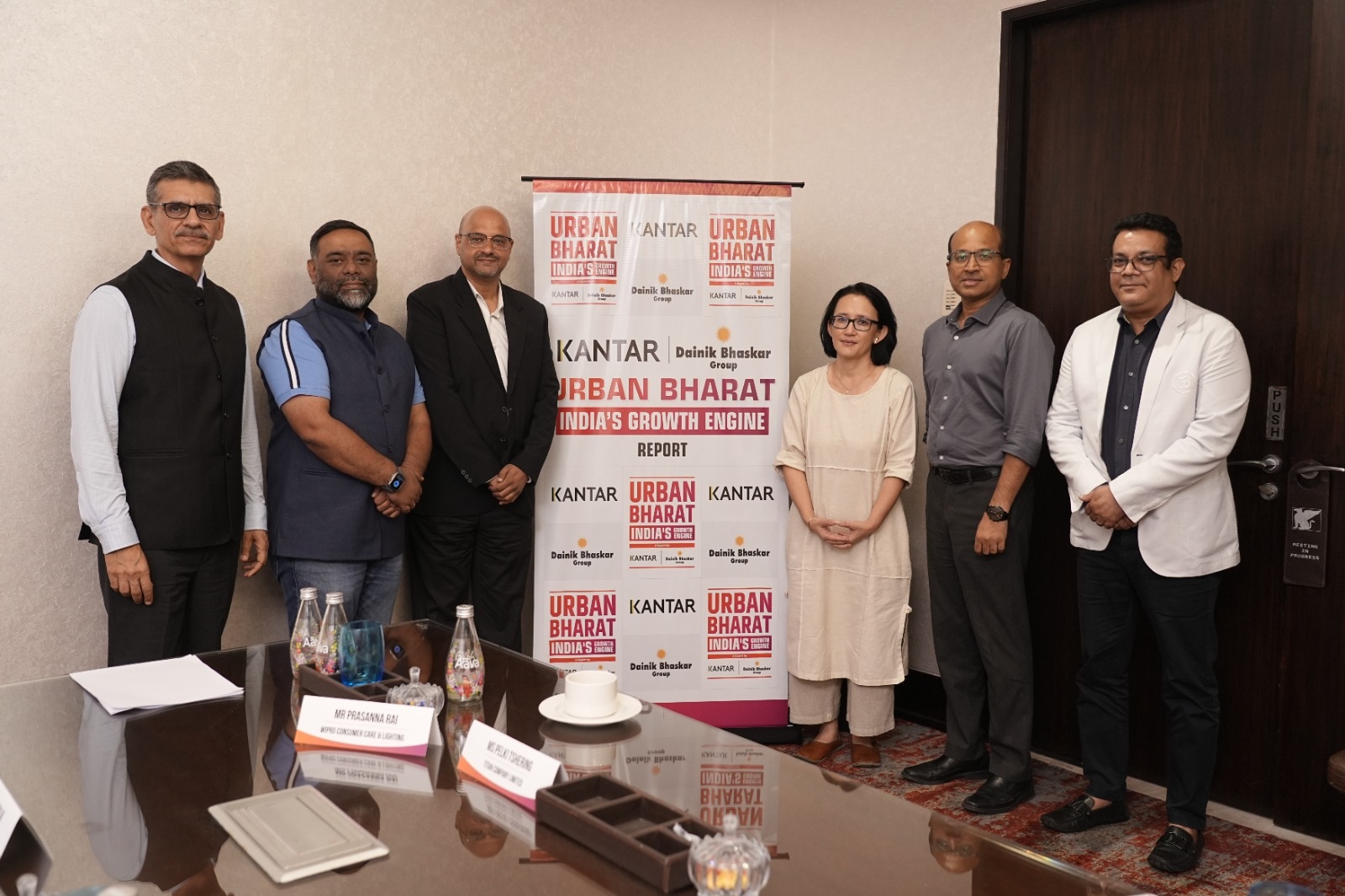
As part of the initiative, Dainik Bhaskar also conducted three closed-door roundtable discussions in Mumbai, Bengaluru and Delhi, bringing together senior leaders and stalwarts from leading brands across industries. Rajiv Dubey, Vice President – Media & Marketing Activations for Dabur India Limited talks about the experimental nature of these markets from an FMCG perspective. “Urban Bharat represents the next frontier of growth, even in categories that are already near saturation. Today, penetration across essentials like oral care and shampoos is almost universal, so growth is no longer about access alone – it’s about upgrading consumption. What we’re seeing is a clear shift: consumers in Tier 2, Tier 3, and emerging towns are highly aspirational, willing to experiment, but often start with smaller, more accessible pack sizes before moving up the value chain. At the same time, the rise of quick commerce and deeper distribution is bringing convenience to these markets faster than ever before. Success here depends on understanding local nuances – price points, language, and habits – because in Urban Bharat, relevance and reach together define growth.” Gunender Kapur, Investor CEO of Vishal Mega Mart Limited discusses the thought behind how Urban Bharat is more of a connected market. “From a retail perspective, Urban Bharat is not a future opportunity – it is already a lived reality. What has fundamentally changed is the convergence of aspiration across the country. Today, a consumer in a Tier 2 or Tier 3 city is digitally exposed to the same content, brands and influences as someone in a metro, creating a far more unified demand landscape. The real opportunity for modern retail lies in converting this shared aspiration into accessible consumption by building scale, driving efficiencies and making products more affordable. While local contexts still matter, the ability to identify common demand pools and serve them at scale is what will unlock growth. Urban Bharat, therefore, is not fragmented – it is a large, connected market with significant headroom for organised retail,” explains Kapur.
Industry stalwarts and panellists from the 11 key sectors all discussed about the aspirational value that seems to be the essence of these markets’ transformation. “From a jewellery lens, what we’re seeing in markets like Urban Bharat is a clear shift, from tradition-led consumption to aspiration-led expression. Jewellery has always been part of the cultural fabric, but today’s consumer is far more aware of design, styling, and what a brand stands for. Aspiration has surged ahead of affordability, and even as gold prices remain elevated, the intent to engage and consume continues to stay strong. You see this reflected in evolving preferences, a move towards lighter, more wearable formats, from traditional 22 k to 18/14k. It’s not just about price, but about finding a better value equation without compromising on design or self-expression. For brands, the opportunity lies in striking that balance design, aspiration, and affordability while staying true to the consumer’s evolving sense of self. Because these markets are no longer “emerging” they’re already shaping the future of how India consumes,” explains Pelki Tshering, Chief Marketing Officer, Tanishq, on the evolving jewellery preferences of these markets. Bhuvan Dheer, Executive Officer – Marketing at Maruti Suzuki India Limited talks about the consumers in these markets willing to invest in exclusivity. “The growth story of India is increasingly being driven by Tier 2, Tier 3 and Bharat markets, where aspirations today are no different from urban India. Rising affluence, deeper internet penetration, and rapid infrastructure development are transforming consumption patterns across these markets. Over the last decade, growth beyond the top 10 cities has significantly outpaced metro markets, clearly highlighting where the real opportunity lies. Consumers in Bharat are willing to invest in quality and premium experiences if they see value – whether it is automobiles, smartphones, or lifestyle upgrades. This ‘live now’ mindset, combined with improving connectivity and access, is creating immense opportunities for brands and businesses across categories,” explains Dheer.
“The idea of ‘Urban Bharat’ is a very relevant and timely lens to understand India’s evolving growth story. What we are witnessing today is not a future shift, but a reality already unfolding – especially across the northwest regions, which are emerging as strong consumption drivers. This growth is being fuelled by improving infrastructure, rising aspirations, and increased disposable incomes. As organisations, we need to recognise and respond to this shift proactively. Those who fail to adapt risk missing a significant opportunity, while those who align early can meaningfully leverage this next wave of growth”, explains Hemant Malik, Whole time Director, Divisional Chief Executive- Foods at ITC Limited elaborating on the relevance of Urban Bharat today. This report is a must have to gauge into the consumers’ mind in Urban Bharat, who are becoming increasingly aware, experience-driven and aspirational, compelling brands to rethink growth, scale and long-term relevance beyond the traditional metro markets. Nilesh Shah, Managing Director, Kotak Mahindra Asset Management Company Limited sums up the report in a few words. “Between India and Bharat there is a segment emerging as Urban India. This report shows the aspirations and challenges of urban India consumers. The sharp focus will help users plan their offering in line with the emerging trends in consumption.”