 Tweaking the code in algorithms of Facebook, Google, and other digital platforms alone won’t crack the rise of fake news online. Neither labeling the fake content by crowds, nor hiring the army of curators will do.
These ideas are plasters on a burn; the root cause of the disease remains unaddressed.
The rise of fake news is a side effect of the new media moguls’ enterprise design that rewards likes, shares, or links rather than evaluation of the content itself.
I studied the algorithms of Facebook, and I can tell you how they make editorial recommendations. These decisions are based on audience’s behaviour around the content and mostly neglect the key attribute to determine the news content’s quality or credibility — that is the source.
Google is working harder, but the algorithms are still far from ideal.
In the chase for a sleek user experience, platforms homogenise the look and feel of online content. Brands of sources become hard for users to notice and layouts for fast-loading mobile articles are the same for fake and real news.
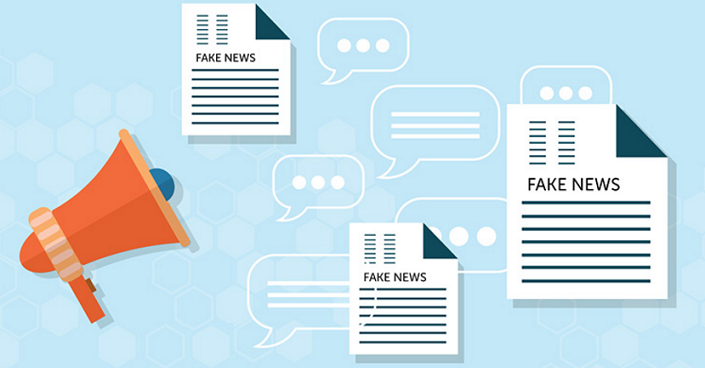
The Internet has become a cesspool because Facebook and Google do not really incentivise sources to produce content that is not fake.
Pitfalls of platforms as new media moguls
Faking news is way cheaper than actually reporting it. The money that Facebook and Google share with publishers today may be enough to run a fake news factory in poor Macedonia, but it won’t fund a real fact-checking newsroom in the United States or United Kingdom.
The rest is propaganda: Governments, businesses, and activists are funding content that looks like news to advance their agendas and use digital platforms to distribute it.
Here’s the fix we should demand from Facebook and Google: Develop a viable business model for real news. Embrace news brands as labels of quality. You need financially sustainable newsrooms to clean this mess. And you need reputable content to provide the safe environment that serious advertisers look for.
I believe the platforms have a civic responsibility and means. They have aggregated the world’s biggest audiences and control most digital advertising money flows. With greater size comes greater responsibility. And if they don’t act now and finally address the problem in their self-interest, regulators all over the world will step in and we all might hate what they come up with.
Awakening of the bears
It’s ironic, isn’t it? There might be no scientific evidence so far that the misinformation spread online had a decisive impact on the results of the U.S. presidential elections or the Brexit referendum. Anyway, in a post-fact world that doesn’t matter anymore.
The rise of fake news got attention of governments all over the world, both democratic and authoritarian. Those in power are seriously concerned.
The European Commission announced a probe into the social networks’ and search engines’ algorithms.
German Chancellor Angela Merkel is scared she, too, might lose elections to populists thriving in misinformation, and has inspired the parliament with an idea of “a code of conduct for social networks.”
For the Chinese Communist Party, the controversy has become a handy argument for keeping the discourse on the Internet under control. Nevertheless, censorship ensures online is free of “rumours.”
It’s no longer just about fake news. It’s about content censorship, filter bubbles, political polarisation, and influence on people’s voting behaviours or moods. It’s about power and control that digital platforms have amassed.
Personally, I am concerned about regulatory interventions into editorial policies in the digital media. They can be devastating not only to the digital platforms business prospects, but also to the World Wide Web as we know it, and to freedoms of expression for us all.
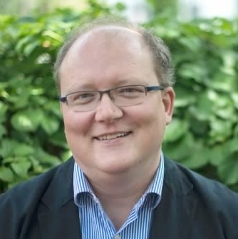
Written by Grzegorz Piechota,Nieman Fellow at Harvard University and is a former news editor of Gazeta Wyborcza, based in Warsaw, Poland. He is a member of the INMA Board of Directors and previously served as the president of INMA Europe Division.
Source:INMA